This is a kohiki tea bowl from the Seiwa Kiln, a Kyo-yaki (Kyoto ware) kiln. An oval potter's seal that reads 「清和」 (Seiwa) is impressed beside the foot ring. The Seiwa Kiln was founded by Hara Seiwa I (原清和), a certified Traditional Craftsman, and the techniques for reproducing tea ceramics of the Korean Peninsula from the Goryeo to the Joseon period have been handed down through two generations, father and son. This bowl was made with kohiki, one of those techniques. Besides its use as a matcha bowl, we propose it as a Japanese rocks glass for slowly enjoying old bottle whisky or aged sake (koshu) over a large piece of ice.
Hara Seiwa I (real name Kenji) came from Izumo City, Shimane Prefecture. He began making pottery at Hagi-yaki and Izumo-yaki kilns, moved to Kyoto, studied Kyo-yaki and Korean tea ceramics, and opened his kiln under the name Seiwa. He aimed to bring the tea ceremony and tea ceramics together, and is said to have excelled at celadon and mishima yōhen. He later built a kiln in Sumiyama, Uji, and received the name Shōun (祥雲) from the Zen master Hirata Seikō (平田精耕) of Tenryū-ji. His eldest son, 原稔, studied under his father and inherited his techniques for reproducing Goryeo and Joseon tea ceramics; after twice winning the Kyoto Governor's Prize at the Kyo-yaki and Kiyomizu-yaki Exhibition, he succeeded to the name Hara Seiwa II. The work of the Seiwa Kiln is carried on at Hara Seiwa Tōen (原清和陶苑), a pottery in Sumiyama, Uji City.
Kohiki is a technique in which a brown, iron-bearing clay body is coated with white slip, covered with a transparent glaze and fired. The name is said to come from kofuki, "powder-blown", describing a surface that looks as if dusted with white powder. It is a type of buncheong ware made on the Korean Peninsula in the 15th and 16th centuries, and in Japan it has been valued by tea masters as one of the Korai chawan, the Korean tea bowls of the tea ceremony. The hima (火間), where the slip did not cover and the clay shows through; the gohon (御本), faint pinkish spots; and amamori (雨漏り), stains that appear with use, have long been admired as the keshiki, or scenery, of kohiki.
Among the Seiwa Kiln's works are tea bowls that combine the three techniques of mishima, kohiki and hakeme in a single bowl, and specialist tea utensil dealers describe it as a kiln that excels at Korai chawan reproductions. This bowl clearly shows the highlights of kohiki among those techniques. The white slip covering the whole piece is not a uniform white: faint pinkish coloring known as gohon appears on the body and in the interior, giving the surface depth. On the upper body there is one hima, an inverted triangle just below the rim where the slip did not cover and the reddish-brown clay is exposed. The transparent glaze also covers the hima, and the texture of the coarse clay with white grains shows beneath the gloss of the glaze, giving a sharp accent to the white surface. The foot ring is left unslipped to show the clay, revealing a coarse brown clay with many white sand grains, and the edge of the slip around it shows runs and variations in thickness. Inside the foot ring, the surface is covered with slip and glaze and shows fine crackle. Horizontal throwing lines remain on the outside of the body, and a spiral of throwing lines remains at the center of the interior, so the traces of wheel throwing can be followed. The celadon and mishima yōhen techniques at which the first generation excelled are not used in this piece.
The seal 「清和」 beside the foot ring is the name the first generation took when he opened his kiln, and the second generation has used the same name since succeeding to it. The wooden box has no inscription, and no leaflet or other documents are included, so it cannot be determined whether the bowl was made by the first or the second generation. The production period can therefore be narrowed down only to the time after this name came into use.
The bowl is generous in size, and the wide opening also holds a large ice ball. The white interior shows off the amber color of whisky or aged sake, so you can take your time with aged spirits and their color in this Japanese rocks glass. Because kohiki is absorbent, soaking the bowl in water or lukewarm water for a while before use helps keep liquor or tea from seeping in. After use, wash it well and let it dry thoroughly. With long use, stains called amamori may appear; in the tea ceremony these have long been appreciated as part of how a vessel matures.
- Artist: Hara Seiwa (原清和) / Seiwa Kiln. It cannot be determined whether this piece is by Hara Seiwa I (real name Kenji, born 1939) or Hara Seiwa II (原稔, born 1971)
- Representative Career Highlights: Hara Seiwa I: [1939] Born in Izumo City, Shimane Prefecture; [1960] Set up a kiln in Kyoto and began making Kyo-yaki; [1967] Opened his kiln under the name Seiwa (some sources give 1968); [1975] Built a kiln in Sumiyama, Uji; [1981] Received the name Shōun from the Zen master Hirata Seikō of Tenryū-ji; [1994] Certified as a Traditional Craftsman
Hara Seiwa II: [1991] Began studying under his father, Hara Seiwa; [1996] Kyoto Governor's Prize, Kyo-yaki and Kiyomizu-yaki Exhibition; [1999] Received the name 清晁 from 山口喜堂, chief priest of Seimei Shrine; [2003] Kyoto Governor's Prize, Kyo-yaki and Kiyomizu-yaki Exhibition; [2015] Succeeded to the name Hara Seiwa II; [2017] Selected for the Kyoten exhibition
- Public Collections: No public collection records at museums or similar institutions could be confirmed
- Production Period: 1967 (some sources give 1968) or later, based on the 「清和」 seal; whether by the first or second generation cannot be determined
- Item Condition: Very Good (no chips, no cracks; crackle typical of kohiki, and iron specks and pinholes formed during firing)
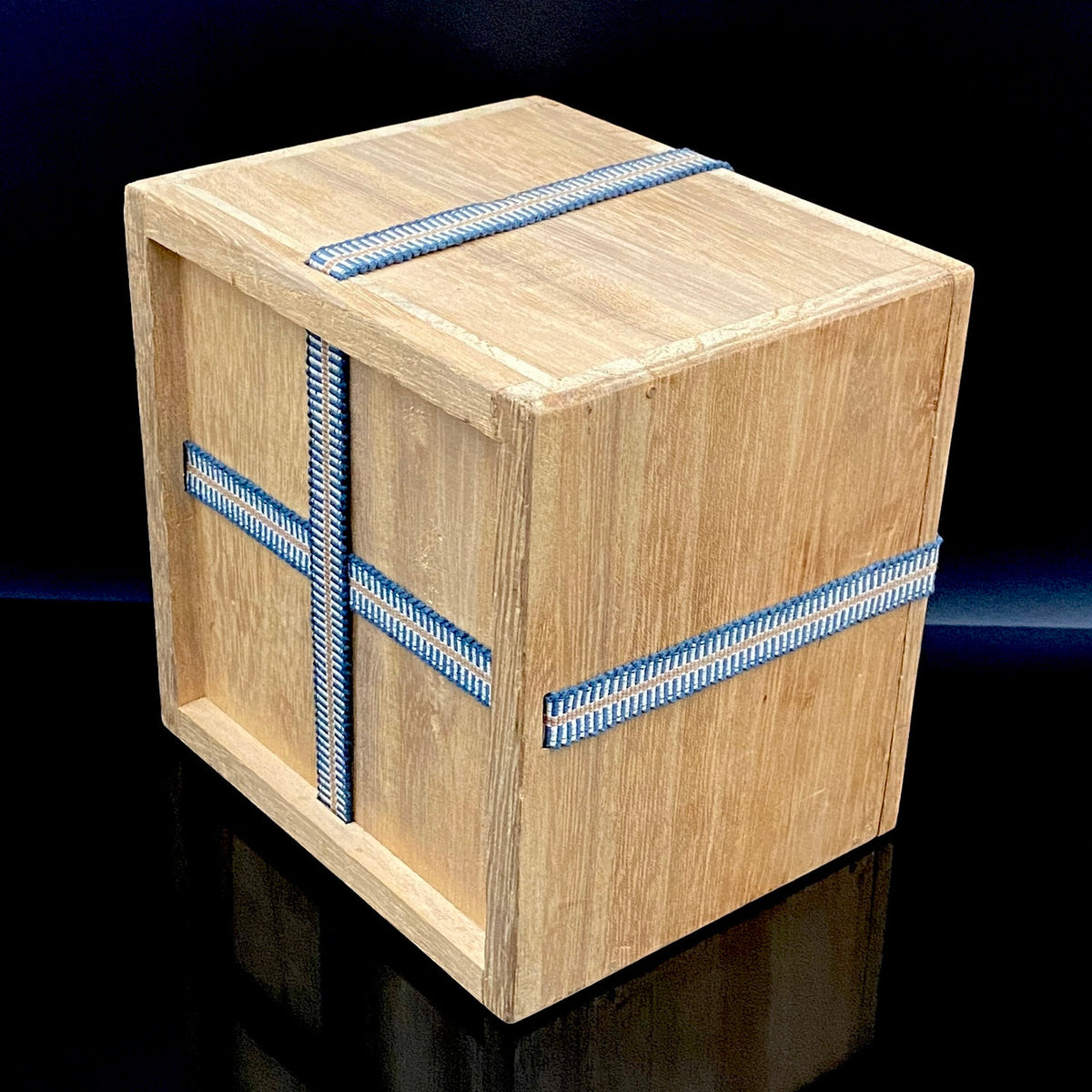
- Accessories: Wooden box (uninscribed, tied with a sanada-himo cord)
- Material: Ceramics (kohiki: white slip and transparent glaze)
- Dimensions: Height approx. 8 cm, rim diameter approx. 12.5 cm
- Note: Even if the products provided by our shop are unused, they were produced a very long time ago and are all listed as pre-owned items. Please understand and confirm that the item may have age-related wear before considering your purchase.