
Giving the Era They Were Born In — Pairing Old Bottles and Artist-Made Vessels from the Same Decade
When we choose a gift, we tend to think about "what" to give. But at our shop, which deals in both old bottles of whisky and artist-made vessels, there is another way to choose: deciding "which era" to give. The year the person was born, the year two people married, the year a company was founded. Put together a whisky bottled in that era and a vessel that came out of the kiln in the same era, and along with the objects you can hand over the very time that person has lived through.
In this article we show, using items in our stock, the clues for dating both bottles and vessels and how to put together a set from the same era. We have also gathered ideas for different occasions: birthdays and wedding anniversaries, celebrations of a 60th or 70th birthday, and even a 20th birthday still far in the future. All the items introduced here are from our shop, and all the photographs were taken by us.
The idea of "giving an era"
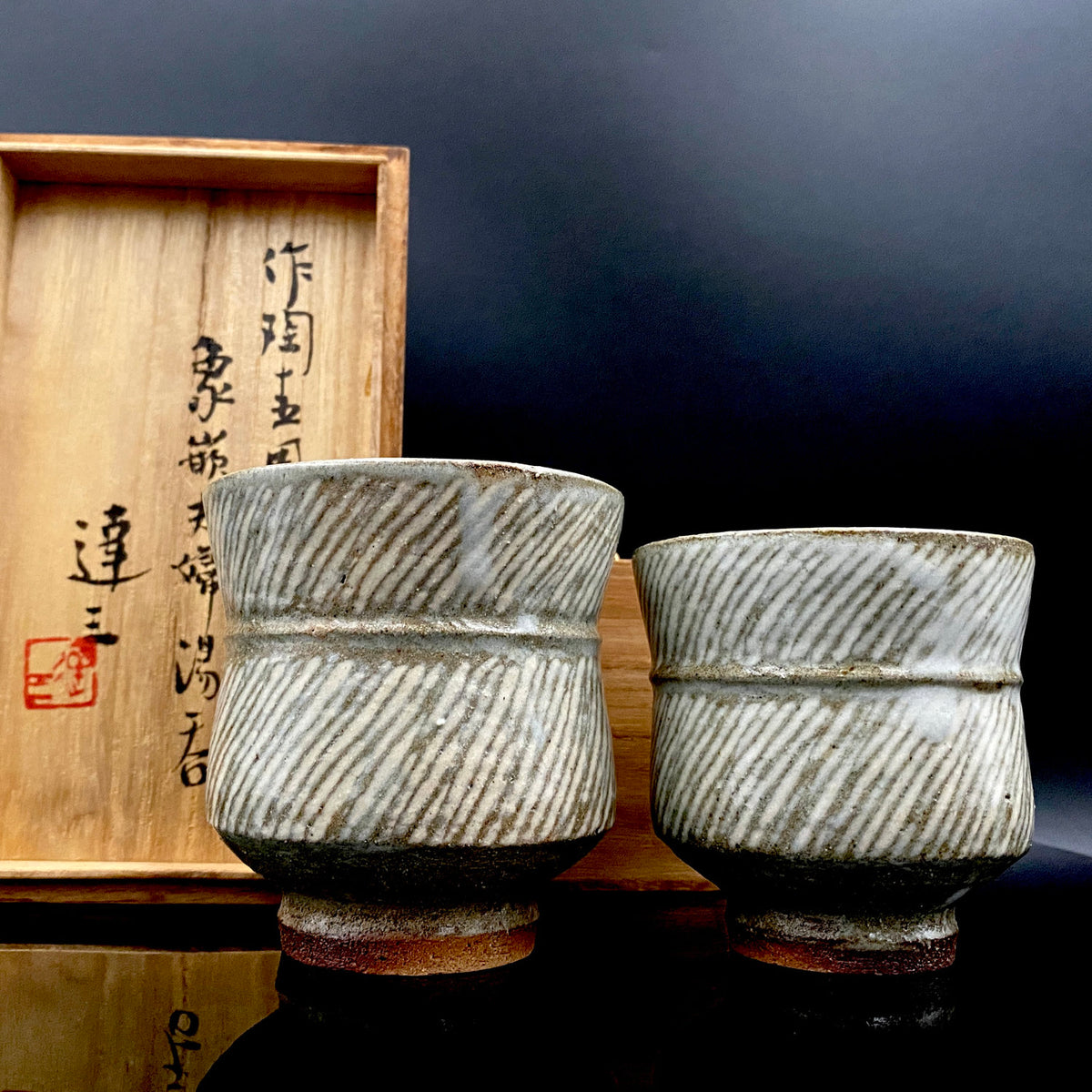
Whisky and vessels are both born wrapped in the air of their time. A bottle's label records the laws and trading rules of its day, and a vessel preserves the techniques and style its maker was pursuing at the time. Set a bottle and a vessel from the same era side by side, and two things made in different places begin to look like companions that lived through the same years.
It helps to know, however, that the "year" of a whisky has two meanings: the year its spirit was distilled, and the year it was bottled and released. Whisky matures in the cask, and once it is in the bottle it does not go on accumulating years as it did in the cask. The "12 years" on a label refers to the time spent in the cask, not the years spent in the bottle. In our product descriptions we list these separately as "distillation period of the spirit" and "period of distribution".
Clues for dating a bottle
Most old bottles do not state the year they were made. Even so, by combining the clues left on the label and the closure, the period of distribution can be narrowed down quite precisely.
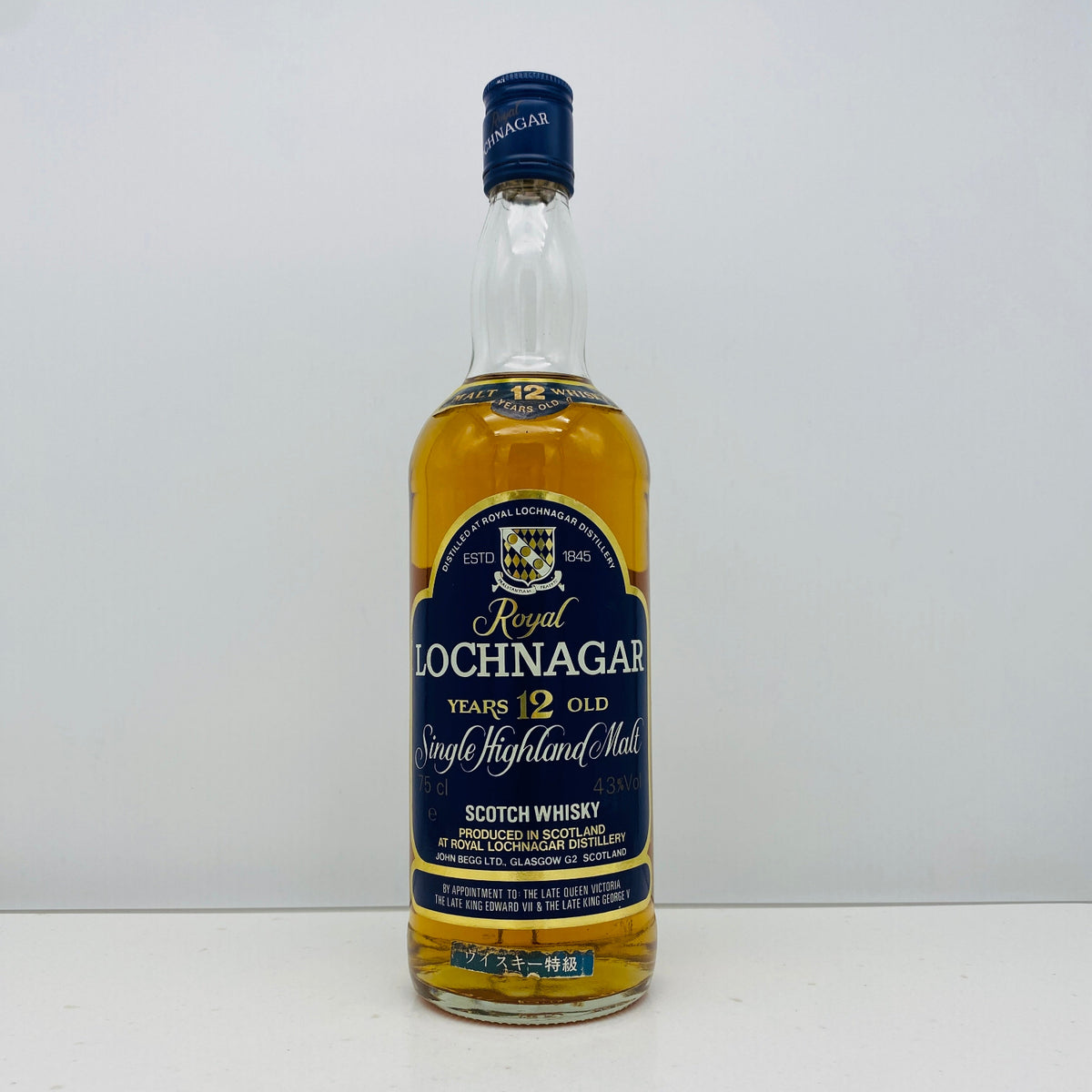
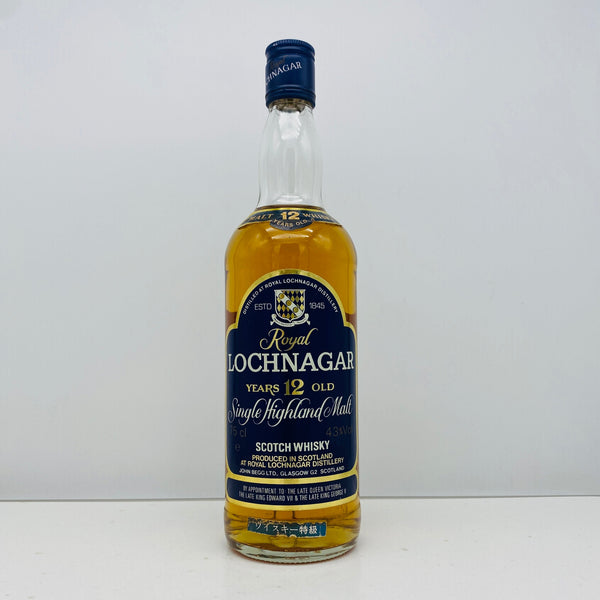
The words "special grade". Japan's Liquor Tax Act once had a grading system that divided whisky into special grade, first grade and second grade, and the system was abolished by the revision of the act in 1989. If a label for the Japanese market says "whisky special grade" (uisuki tokkyu), the bottle was sold before 1989. Our Royal Lochnagar 12 Year Old, Glengoyne 12 Year Old and The Dufftown Glenlivet 10 Year Old are all 1980s bottles carrying this special-grade marking.
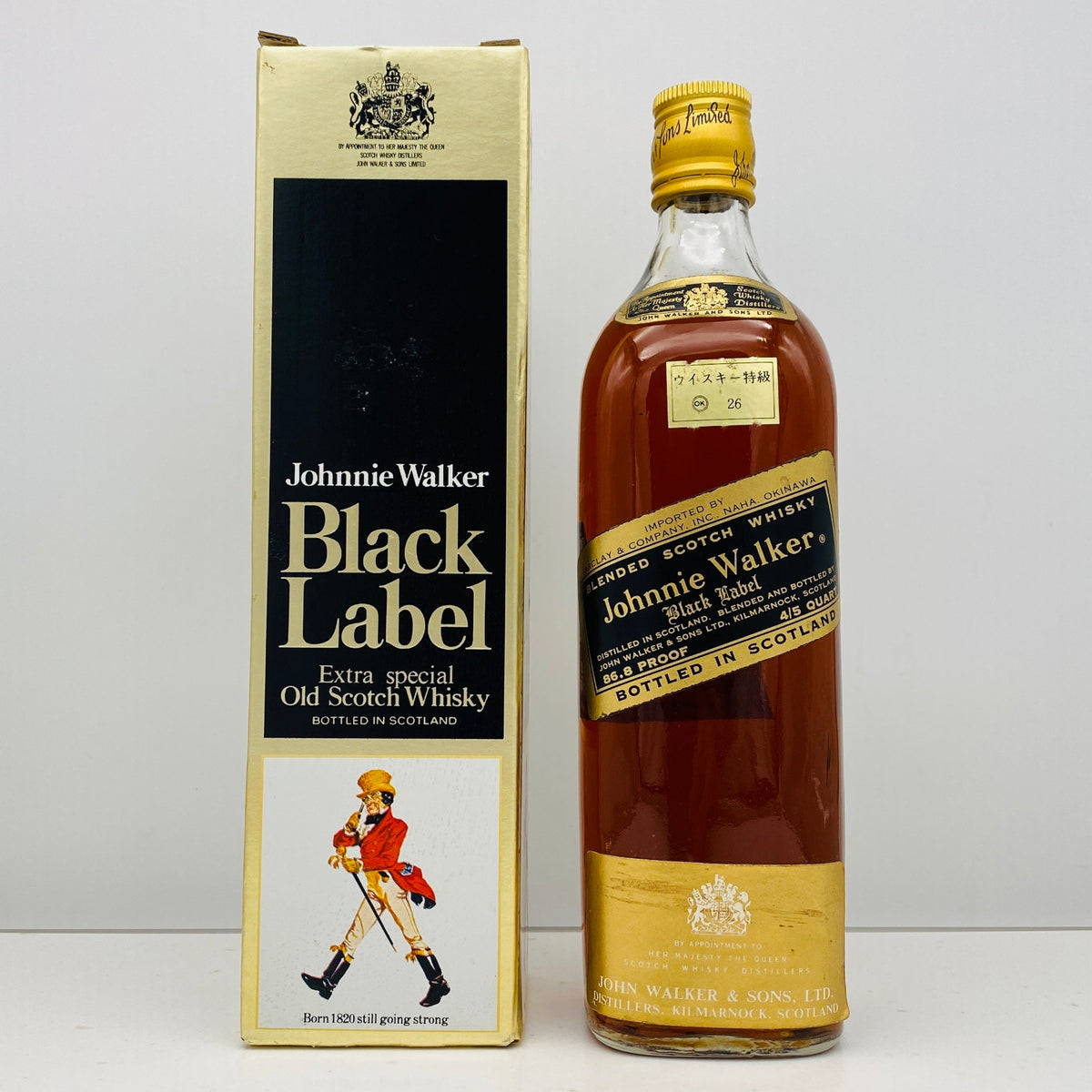
The volume markings. Scotch whisky of the 1970s is often found in bottles of about 760ml marked "4/5 QUART" in American units, and from the 1980s onwards 750ml became the norm. The label of Johnnie Walker Black Label (distributed in the early 1970s) shows "86.8 PROOF" and "4/5 QUART" side by side, American-style strength and volume that still convey how bottles were traded at the time. We explain how to read volume and strength markings in our article on dating old bottles by their volume and strength markings.
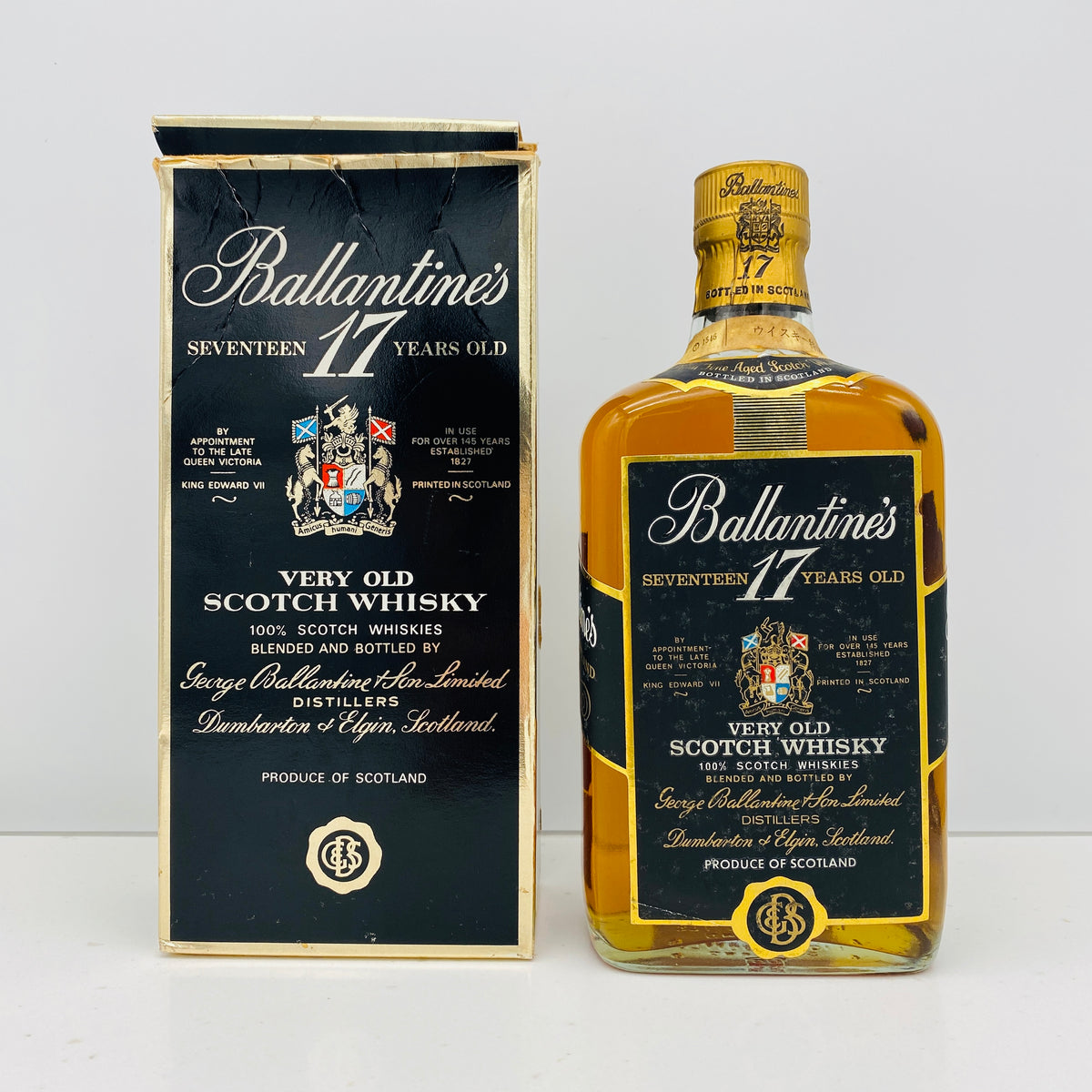
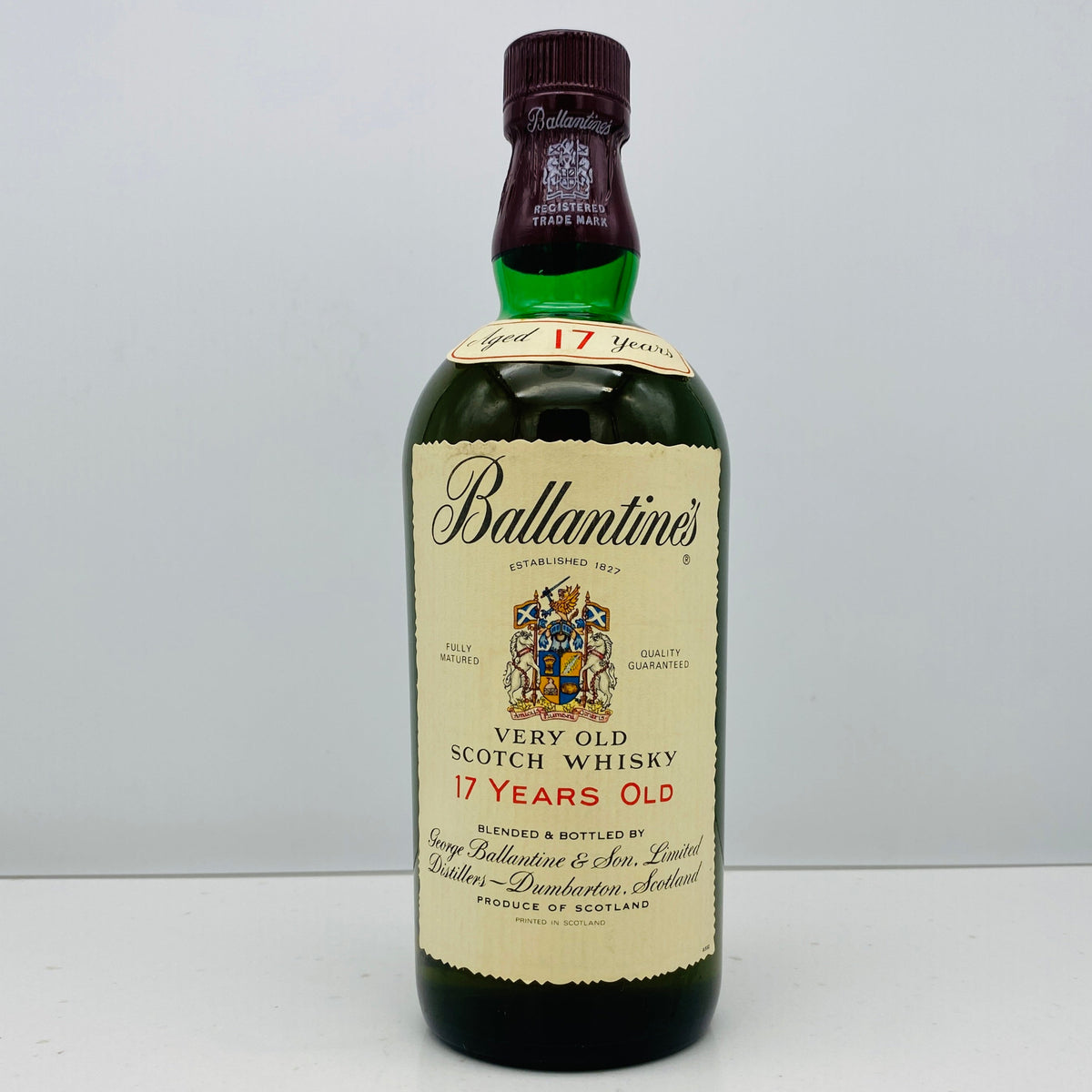
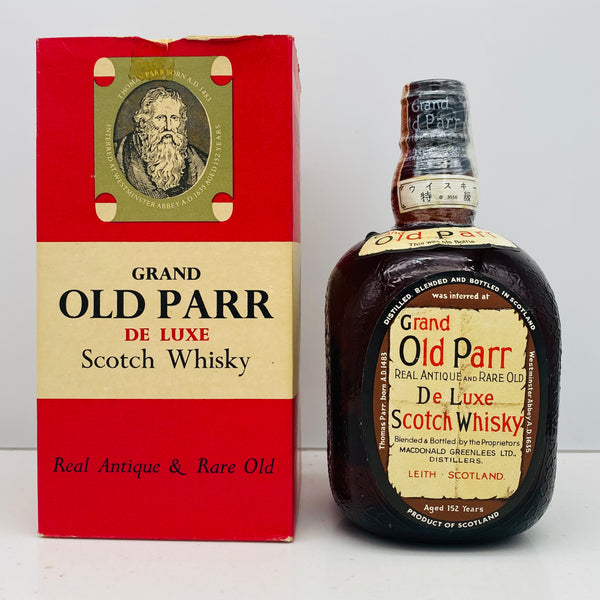
The closure and the label design. Even within one brand, the details of the closure and label change with the period. Grand Old Parr bottles of the 1960s have an old-style metal cap (a tin cap or spring cap), while bottles of the same brand from the early 1970s have switched to a screw cap. With Ballantine's 17 Year Old, if the flags in the coat of arms on the label are blue and red, the "Blue-Red Flag", the bottle was distributed in the 1970s; if both flags are blue, the "Blue-Blue Flag", it dates from the 1980s.
Bottles that can be traced back to the year of distillation
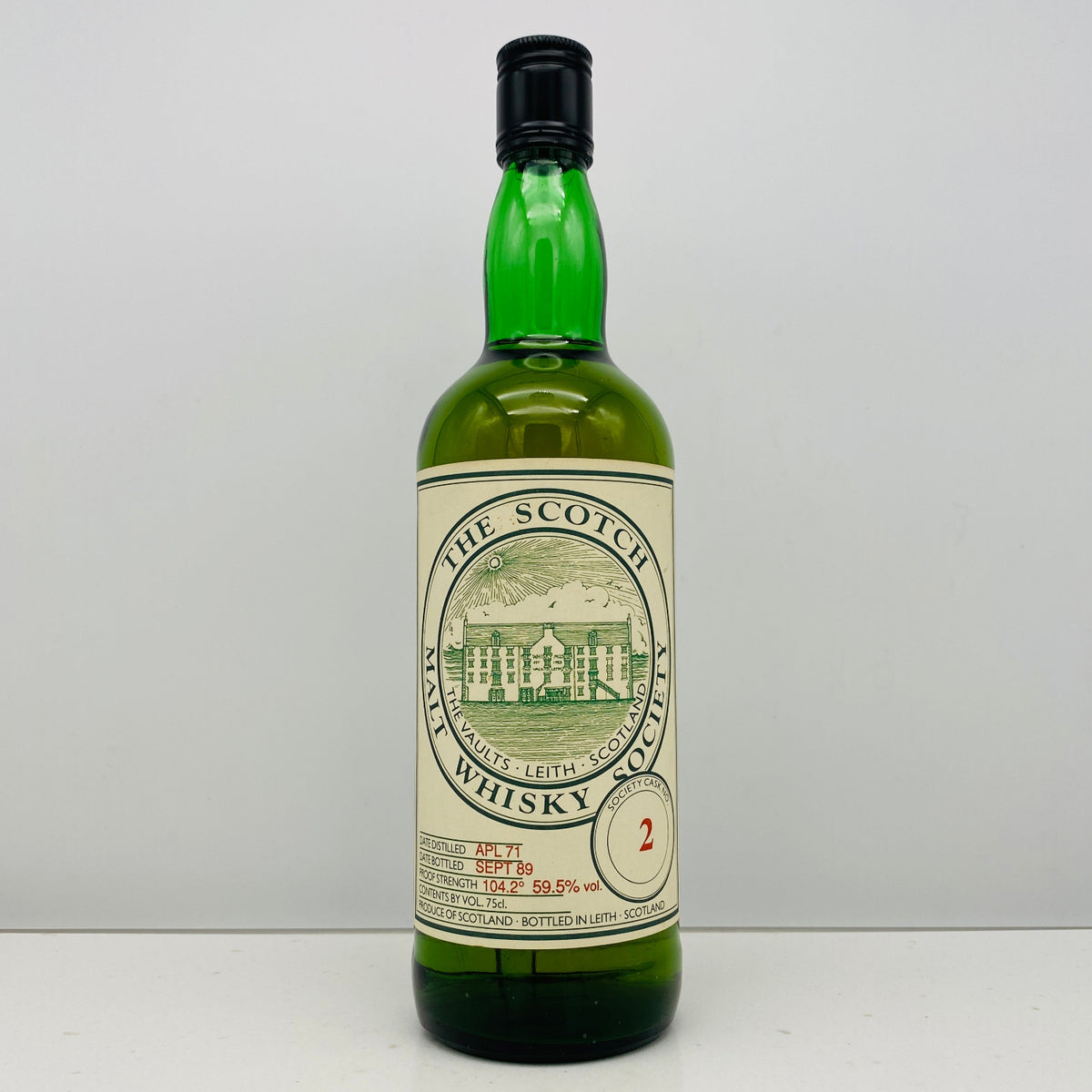
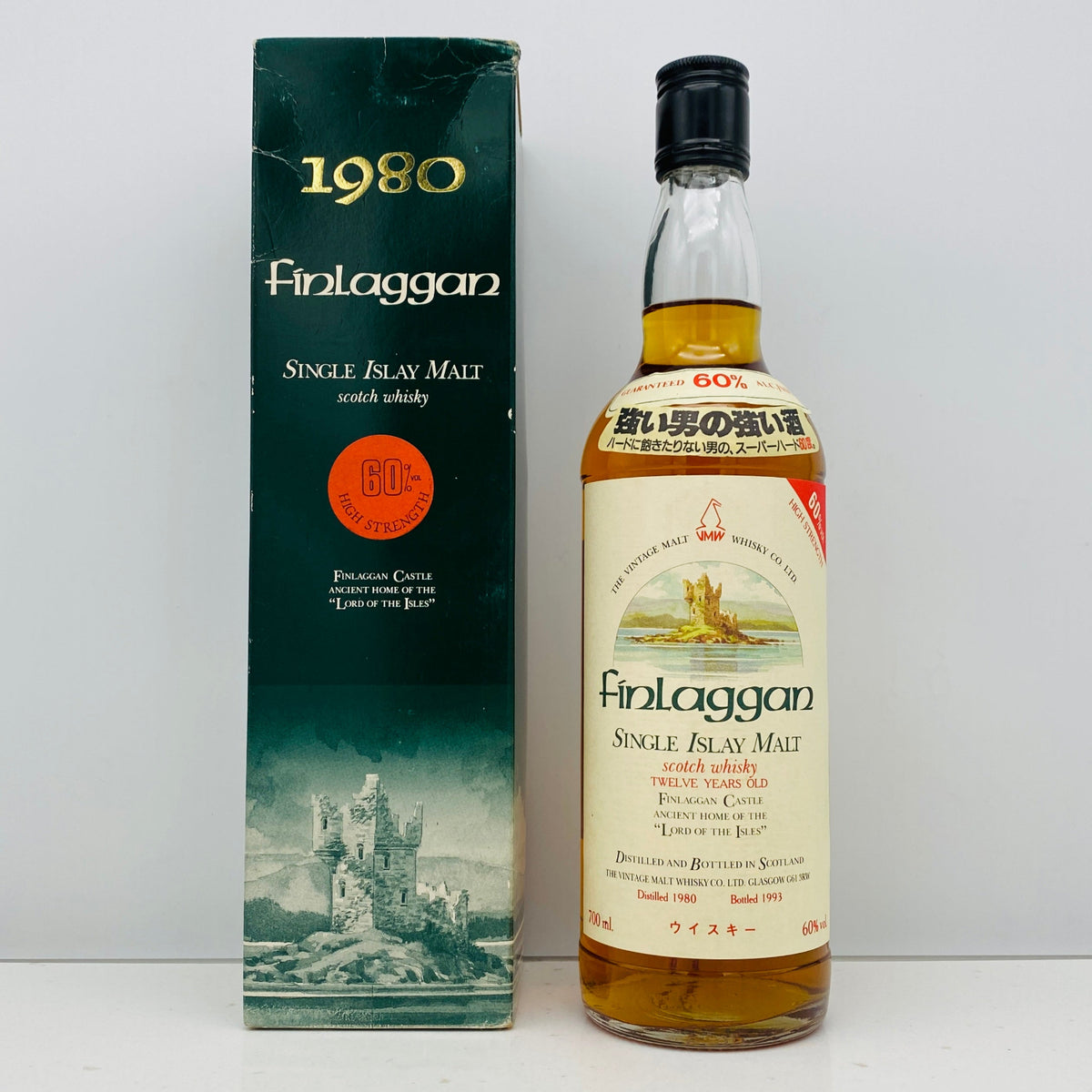
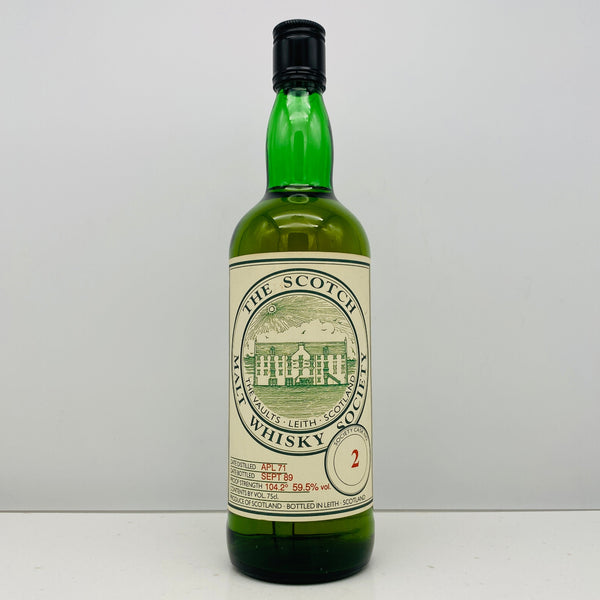
Some bottles tell us not a span of years but the very year their spirit was born. SMWS No.2 Glenlivet is a bottle of spirit distilled in 1971, matured for 18 years and bottled in 1989 by The Scotch Malt Whisky Society. For someone born in 1971, it offers an experience found nowhere else: tasting a spirit born in the same year as they were, after 18 years in the cask and the long years in the bottle that followed. Finlaggan is a single malt distilled and casked in 1980 and released in 1993, a powerful bottle at 60% strength. It is a fitting gift for someone born in 1980.
Clues for dating a vessel
For artist-made vessels, we estimate the date of production from clues left on the tomobako (the box signed by the maker), in the shiori (the leaflet) and on the piece itself. Some artists even wrote down the exact date.
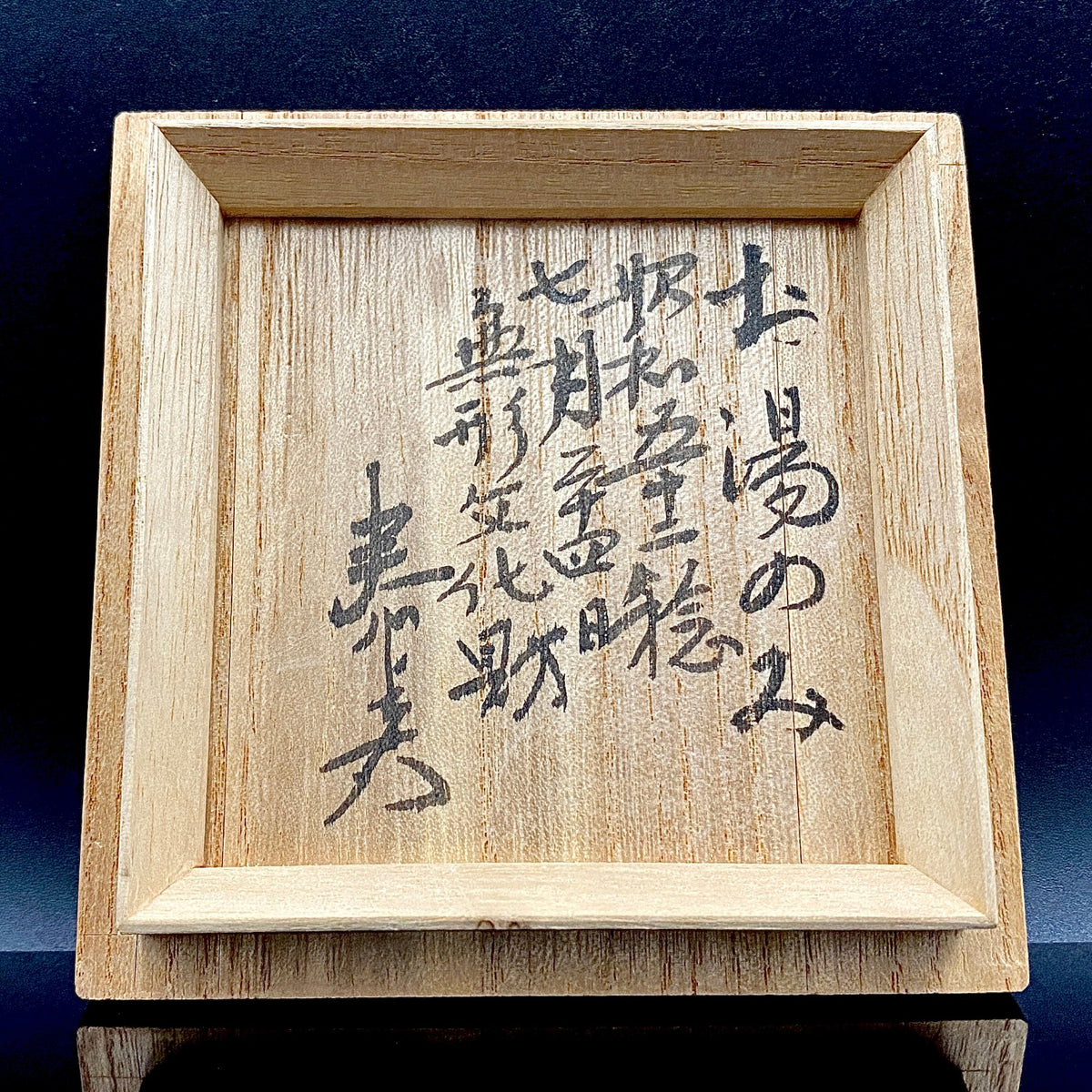
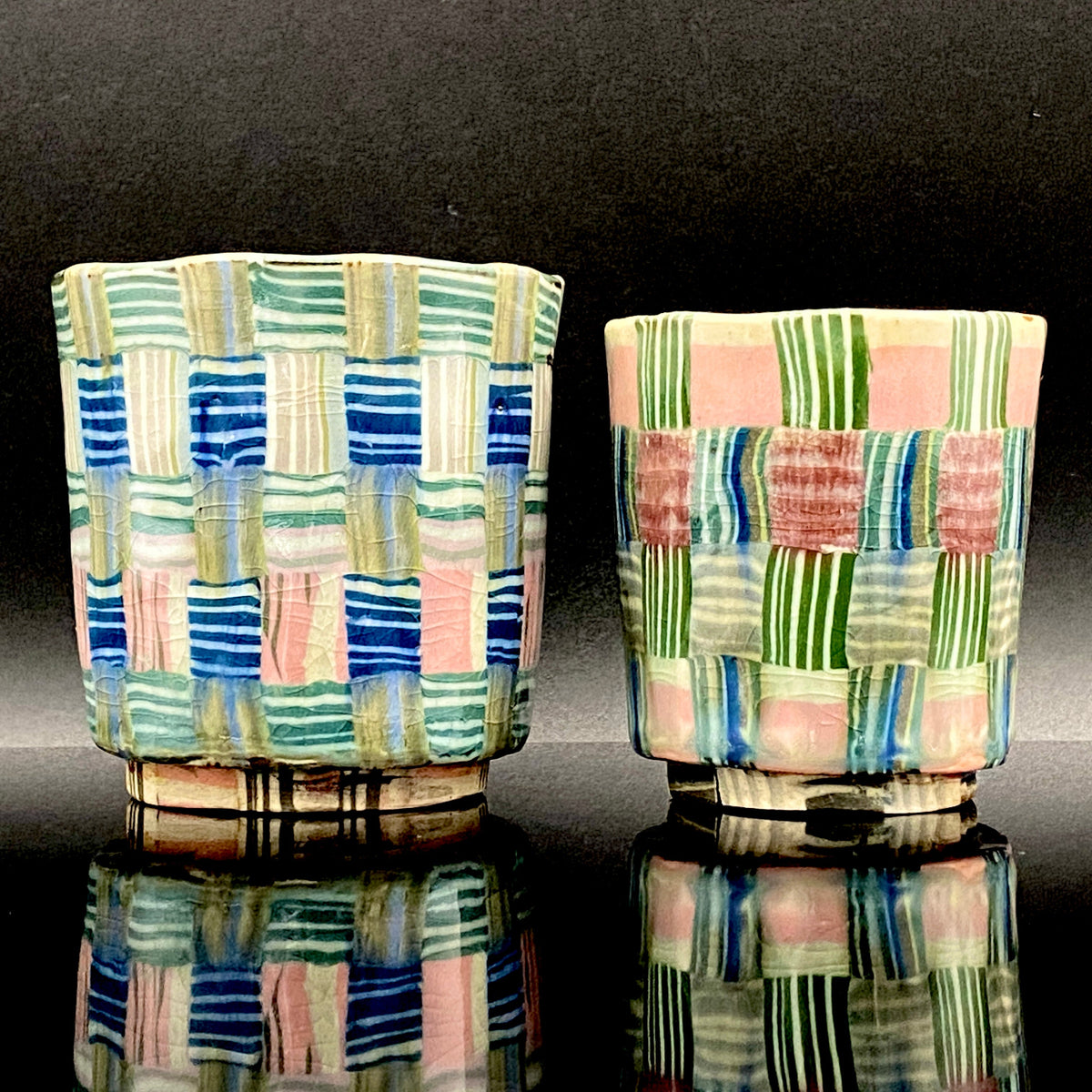
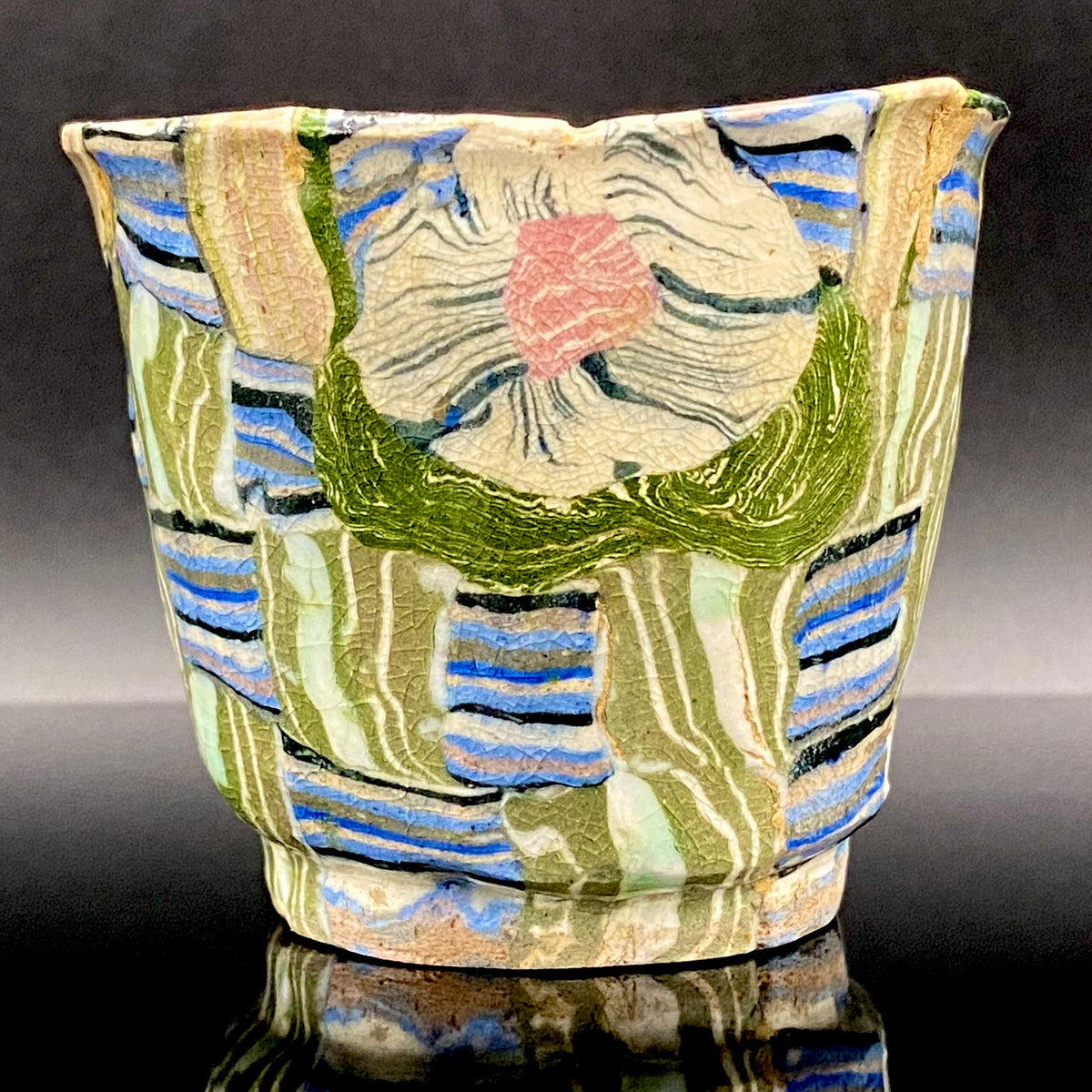
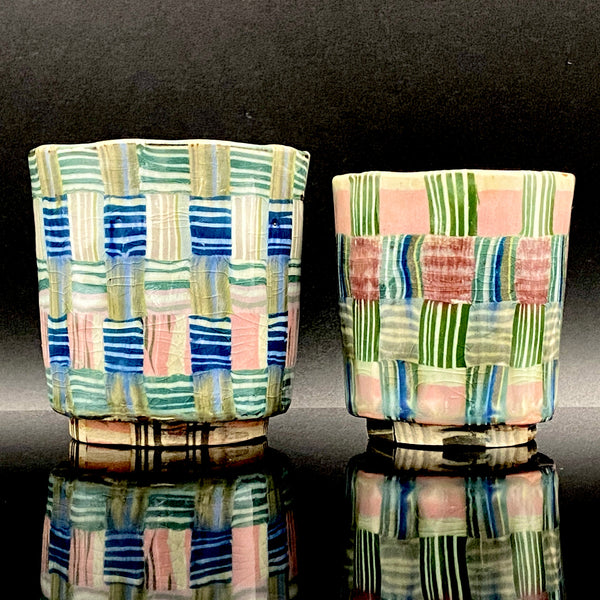
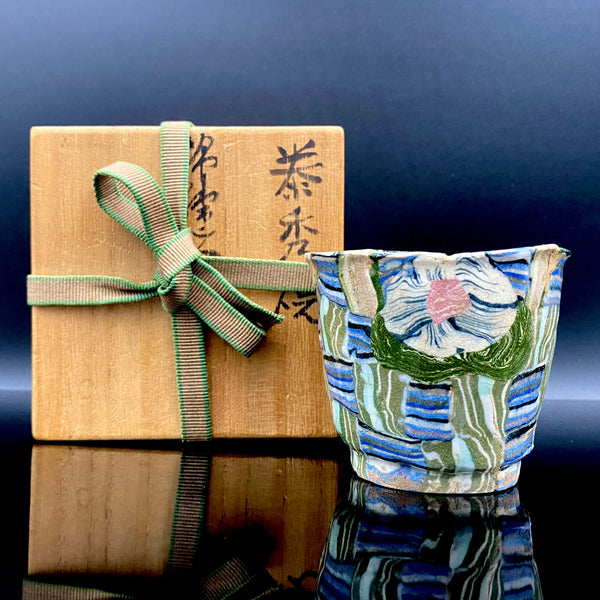
A date on the box. The pair of "hyori kantsu nishiki neriagede" rocks glasses by Uchida Yasuhide, holder of an Important Intangible Cultural Property designated by Hiroshima Prefecture, carries an ink inscription inside the box lid reading "Showa 52, July 24", showing that it was made in the summer of 1977. Another rocks glass in the same technique is inscribed "Showa 55, April, the work of five months", recording not only that it was finished in the spring of 1980 but that it took five months to complete. For someone whose birth year matches exactly, there could hardly be a better gift.
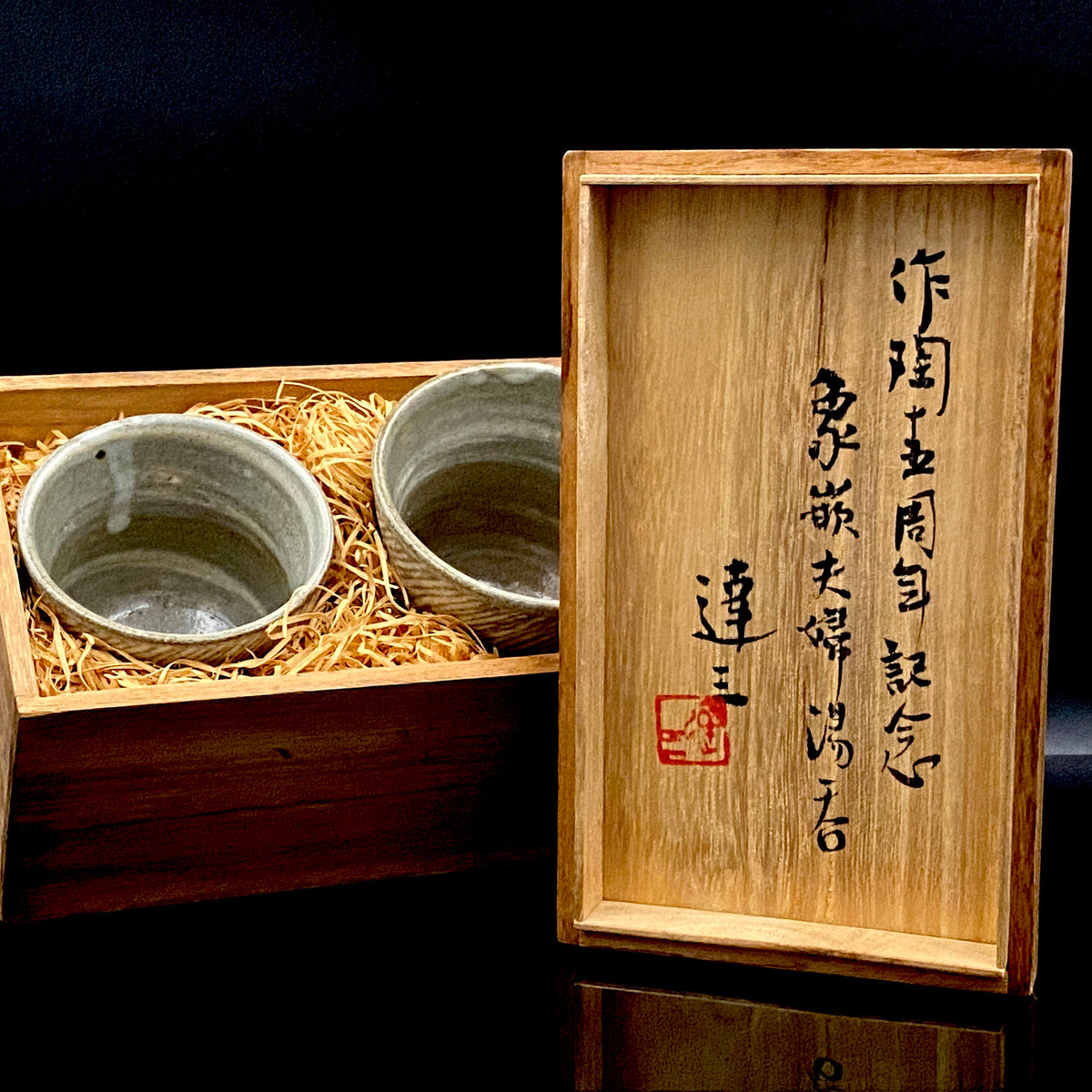
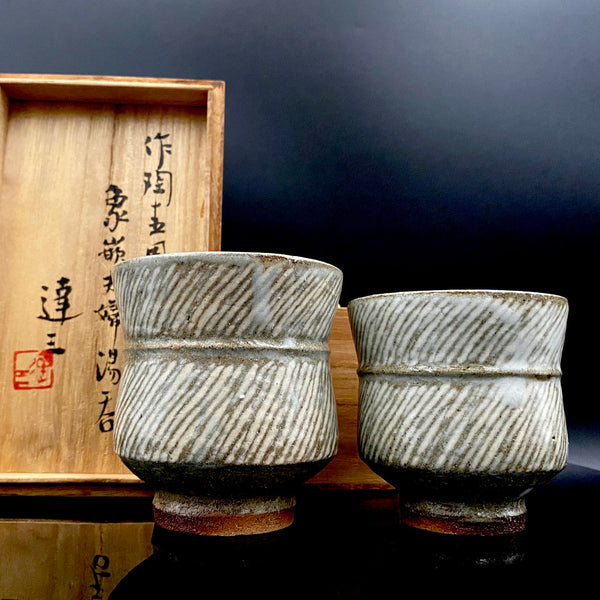
A commemorative work. The pair of jomon-inlaid yunomi by Living National Treasure Shimaoka Tatsuzo was made in 1961, the 15th year counting from 1946, when the artist became a pupil of Hamada Shoji. This was also the year Shimaoka built a climbing kiln of the artist's own in Mashiko, so you can give a vessel from a milestone year in the artist's life to mark a milestone in the lives of two people.
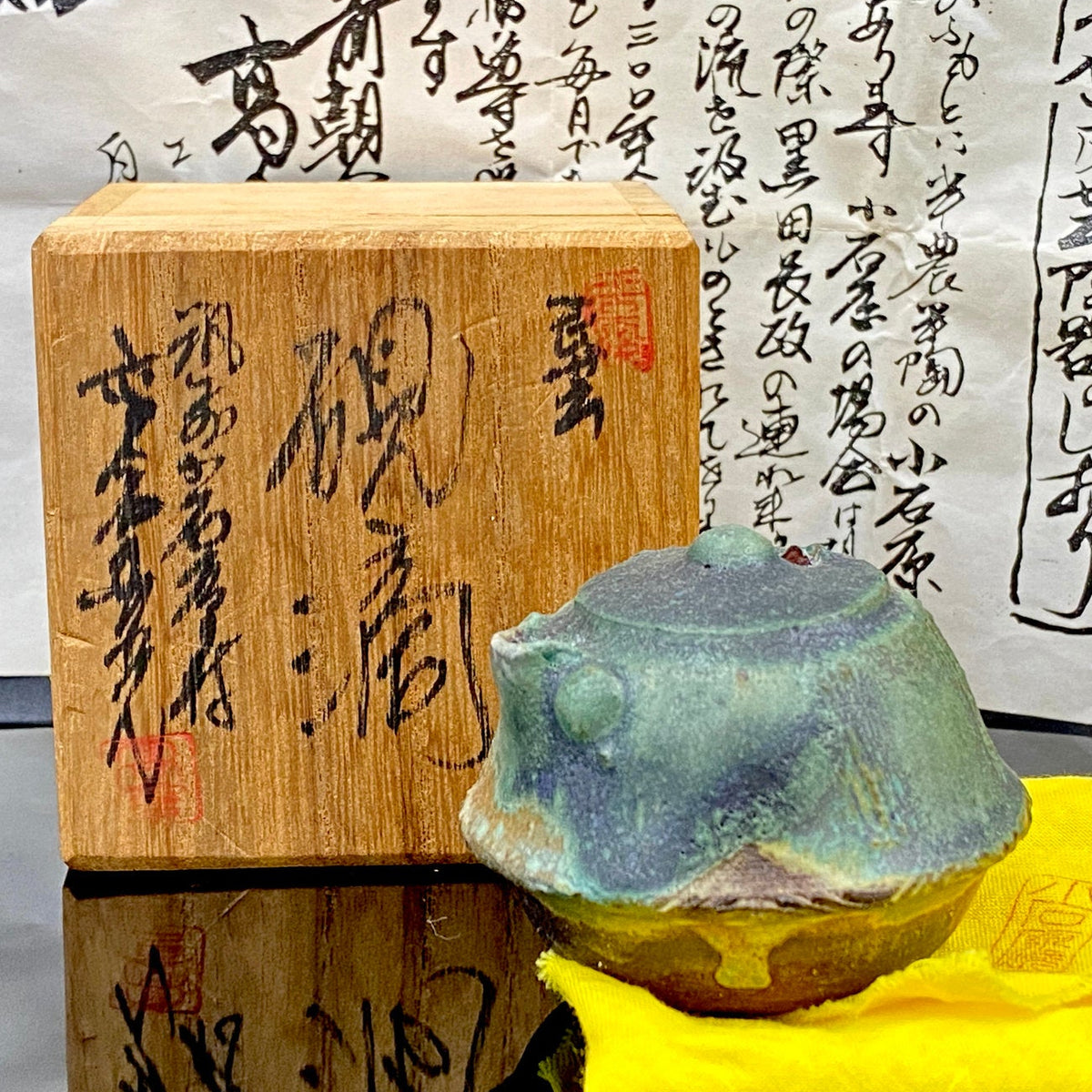
Vessels made to order. The Koishiwara-ware water dropper by Takakura Kunimitsu, holder of an Intangible Cultural Property designated by Fukuoka Prefecture, was made in 1986 especially for Kobaien, the long-established ink-stick maker of Nara. A water dropper is originally a calligraphy tool for adding water to an inkstone, and it can also be used to add a few drops of water to whisky. Giving it to someone born in 1986, for their desk, as a tool for both calligraphy and whisky, would be a stylish choice.
The career history in a shiori. The shiori that comes with a tomobako lists the artist's awards and exhibitions year by year. From its last entry, you can estimate when a vessel was made. The shiori accompanying Isezaki Mitsuru's Bizen guinomi runs up to Showa 59 (1984), so the cup itself can be estimated to have been made around or after that time. We explain how to read tomobako and shiori in our article on reading tomobako, shiori and signatures.
Giving the zodiac — birth years that come round every sixty years
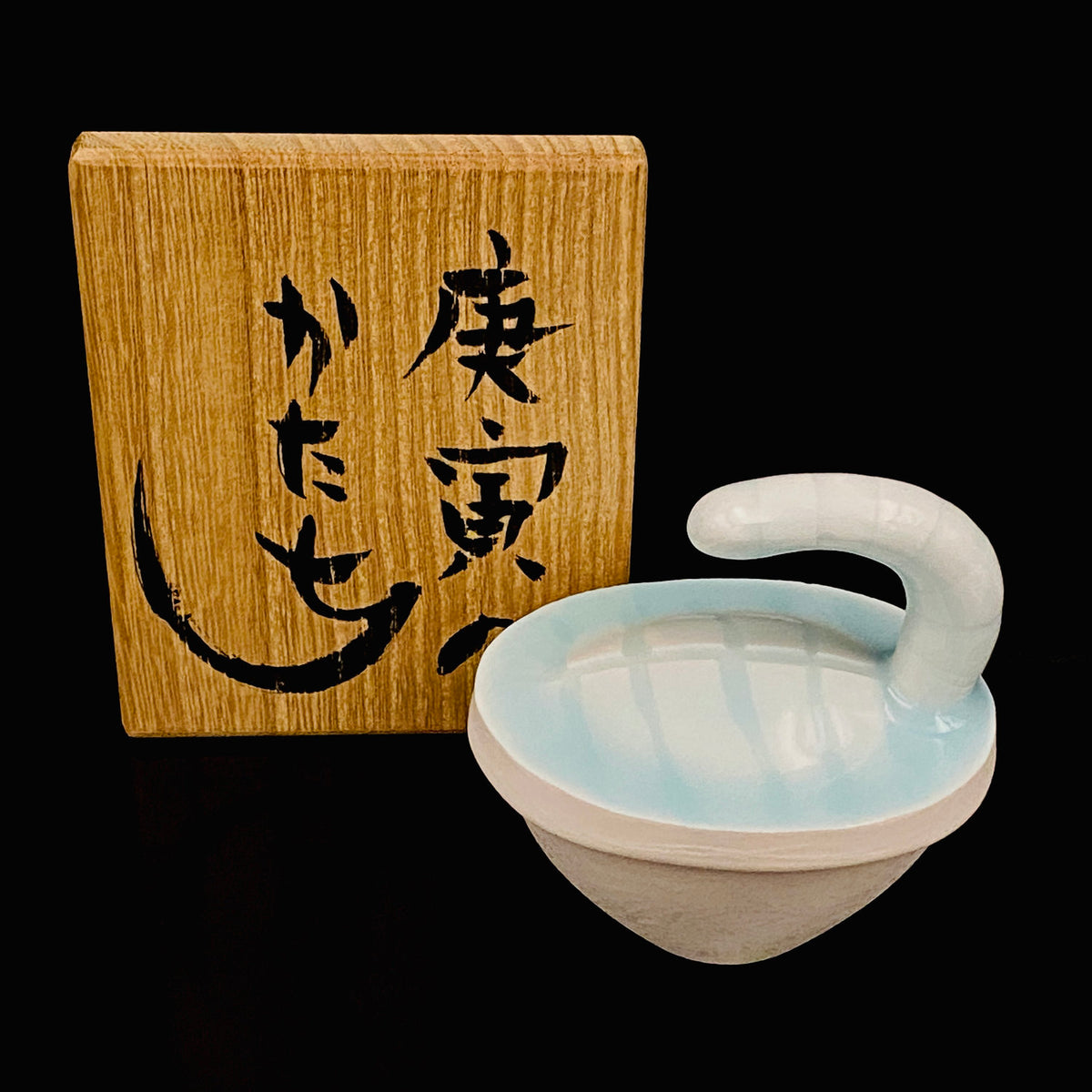
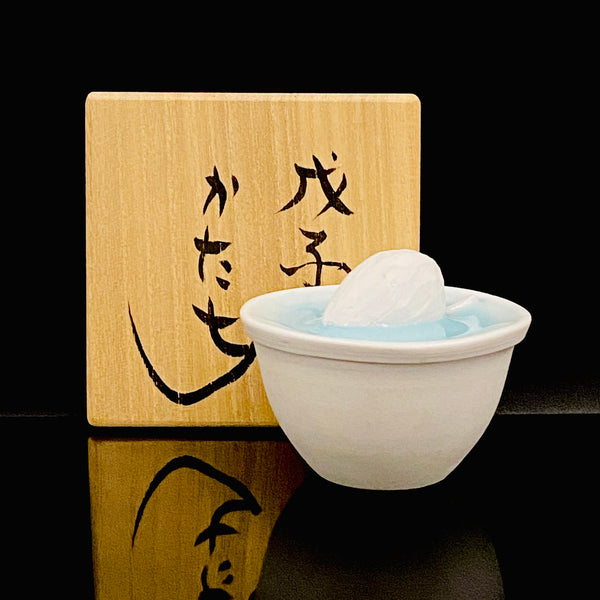
In the world of ceramics there are works named after the year itself. These are the lidded seihakuji pieces "Form of Boshi", "Form of Kichu", "Form of Koin" and "Form of Itsubi" by Nagae Shigekazu, whose works are in the collections of the Metropolitan Museum of Art and other museums. Each was made in the preceding year in honour of the coming year's sign in the traditional sixty-year cycle, and they were originally made as kogo, incense containers for the tea ceremony. Outside, the white porcelain is matt; inside, a seihakuji glaze glows a clear pale blue, and with the lid removed each piece can be used as a small drinking cup.
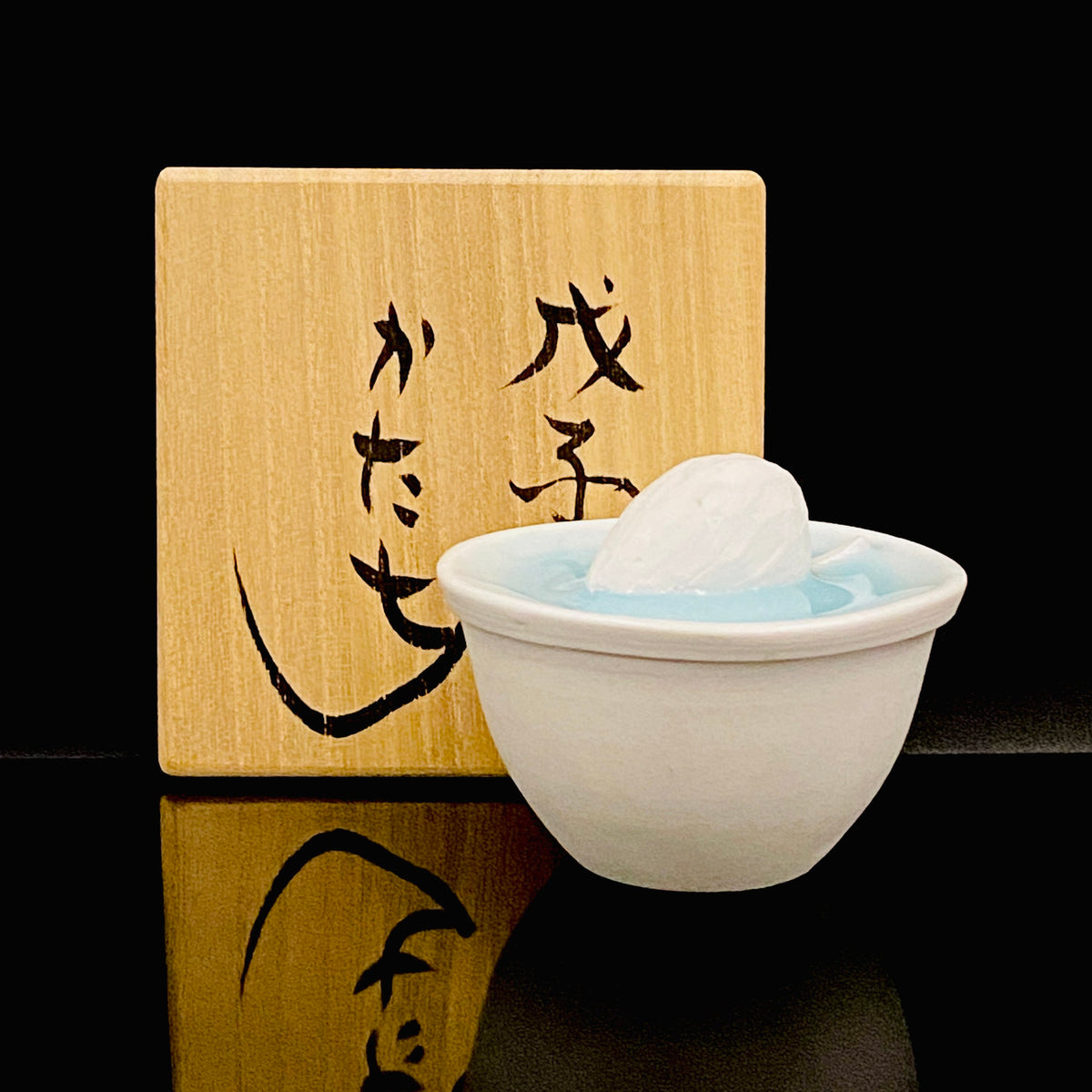
The traditional calendar combines the ten "heavenly stems" with the twelve "earthly branches" of the zodiac into sixty pairs, which come round once every sixty years. Kanreki, the celebration of a 60th birthday, marks the return of the sign of one's birth year after sixty years. In other words, a single zodiac vessel corresponds to the birth years of two generations sixty years apart.
| Work | Sign | Matching birth years |
|---|---|---|
| Form of Boshi (made in 2007) | Boshi (tsuchinoe-ne) | 1948 and 2008 |
| Form of Kichu (made in 2008) | Kichu (tsuchinoto-ushi) | 1949 and 2009 |
| Form of Koin (made in 2009) | Koin (kanoe-tora) | 1950 and 2010 |
| Form of Itsubi (made in 2014) | Itsubi (kinoto-hitsuji) | 1955 and 2015 |
Children born between 2008 and 2010, for example, will turn 20 between 2028 and 2030. You could acquire the vessel of their birth sign now and keep it safely put away, then hand it over on their 20th birthday together with a bottle of whisky chosen in that year. The time spent waiting for the day you can share a drink becomes part of the gift. The same vessels are also the birth-sign vessels of people born in 1948 to 1950 and in 1955, so parent and child, or grandparent and grandchild, can share vessels of the same sign.
Sets by era
From our stock, we have put together a bottle and a vessel for each era. The dates of the vessels include estimates based on the tomobako, the shiori and the artist's career. Please check the evidence on each product page before you choose.
The 1960s pairing combines Grand Old Parr, a symbol of Showa's special-grade era, with the pair of yunomi from a milestone year in Shimaoka Tatsuzo's career. The two cups are a larger and a smaller one, which also suits a golden wedding anniversary or the 60th birthdays of a couple born in the 1960s. For the early 1970s, we suggest Bell's 20 Year Old with a Bizen sake cup by Takahara Shoji made just after the artist was selected for the first Japan Ceramic Art Exhibition. For the late 1970s, a Blue-Red Flag Ballantine's with Uchida Yasuhide's pair of glasses dated 1977.
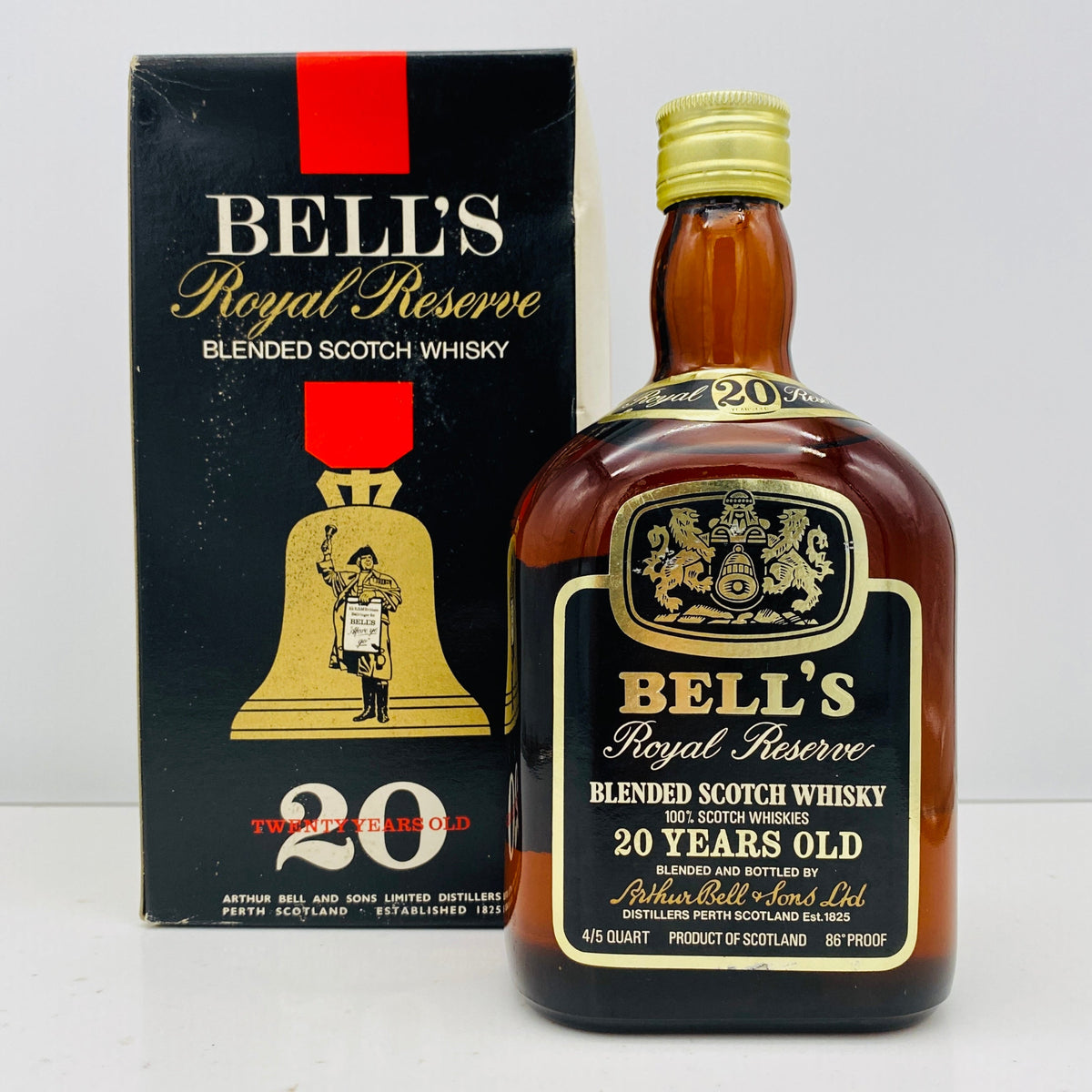
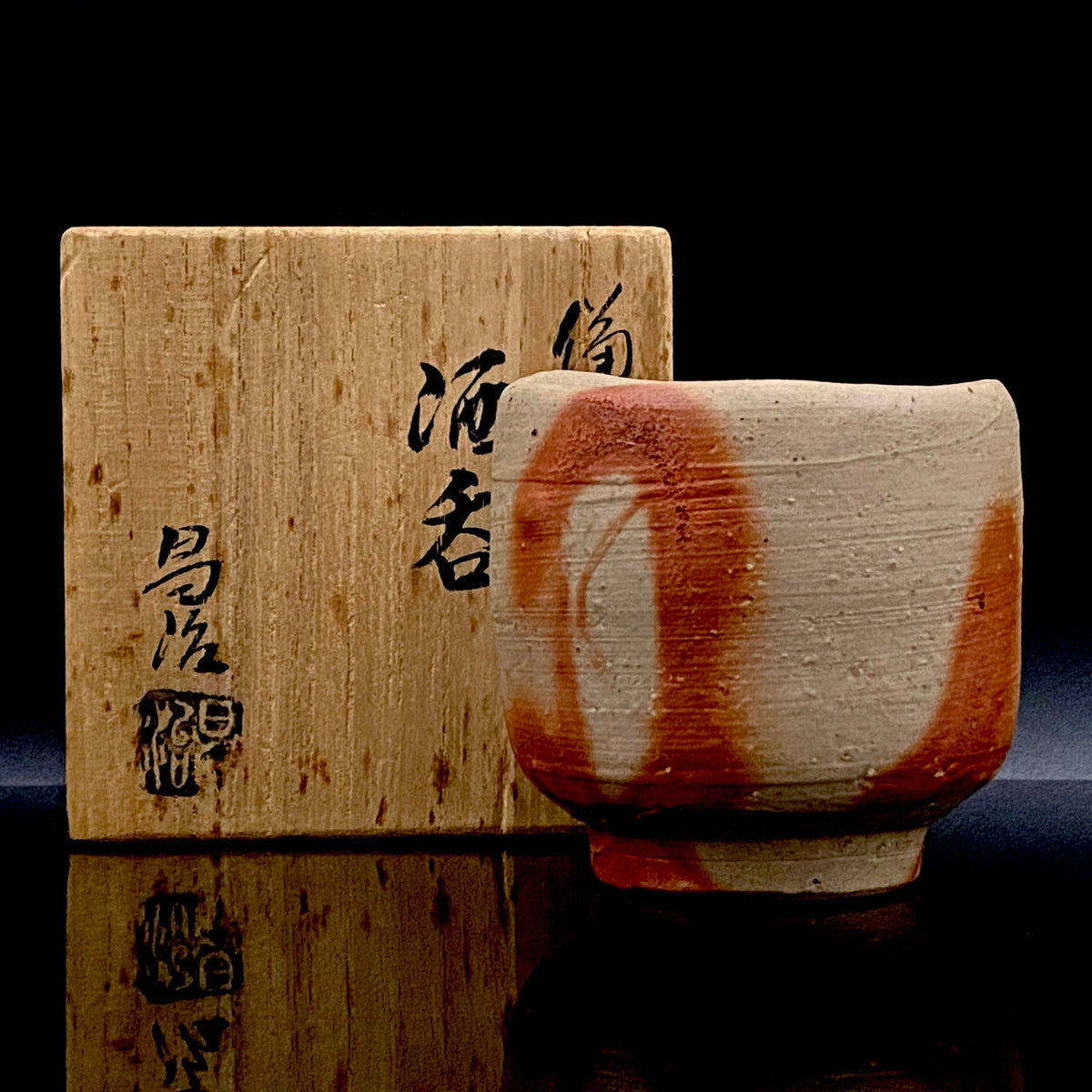
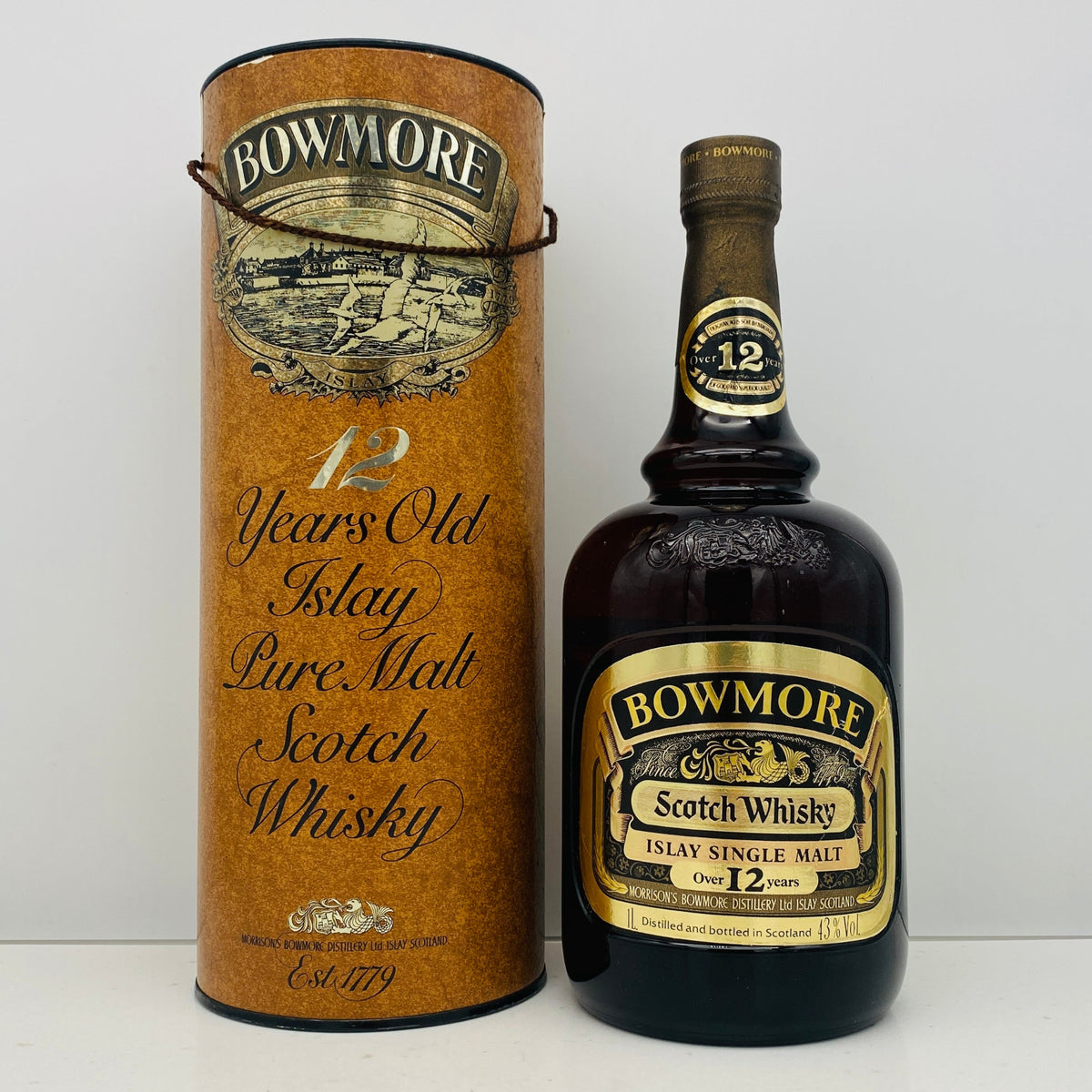
For the early 1980s, Bowmore 12 Year Old in a one-litre bottle with Uchida Yasuhide's glass dated spring 1980. For the late 1980s, Armor Glenfarclas 20 Year Old with its special-grade marking and Takakura Kunimitsu's water dropper made in 1986. For the 1990s, we paired Glen Moray 15 Year Old with a white porcelain water dropper made in the early 1990s by Inoue Manji, who was recognised in 1995 as holder of the Important Intangible Cultural Property "white porcelain".
Choosing for each celebration
- For a wedding anniversary: A meoto-yunomi pair of a larger and a smaller cup, or a matching pair of vessels. Besides Shimaoka Tatsuzo's pair of yunomi, you can choose by the era of the wedding from pieces such as the Takatori-ware pair of yunomi by Kamei Miraku XIV or the e-Karatsu pair of yunomi by Nakano Tochi IV.
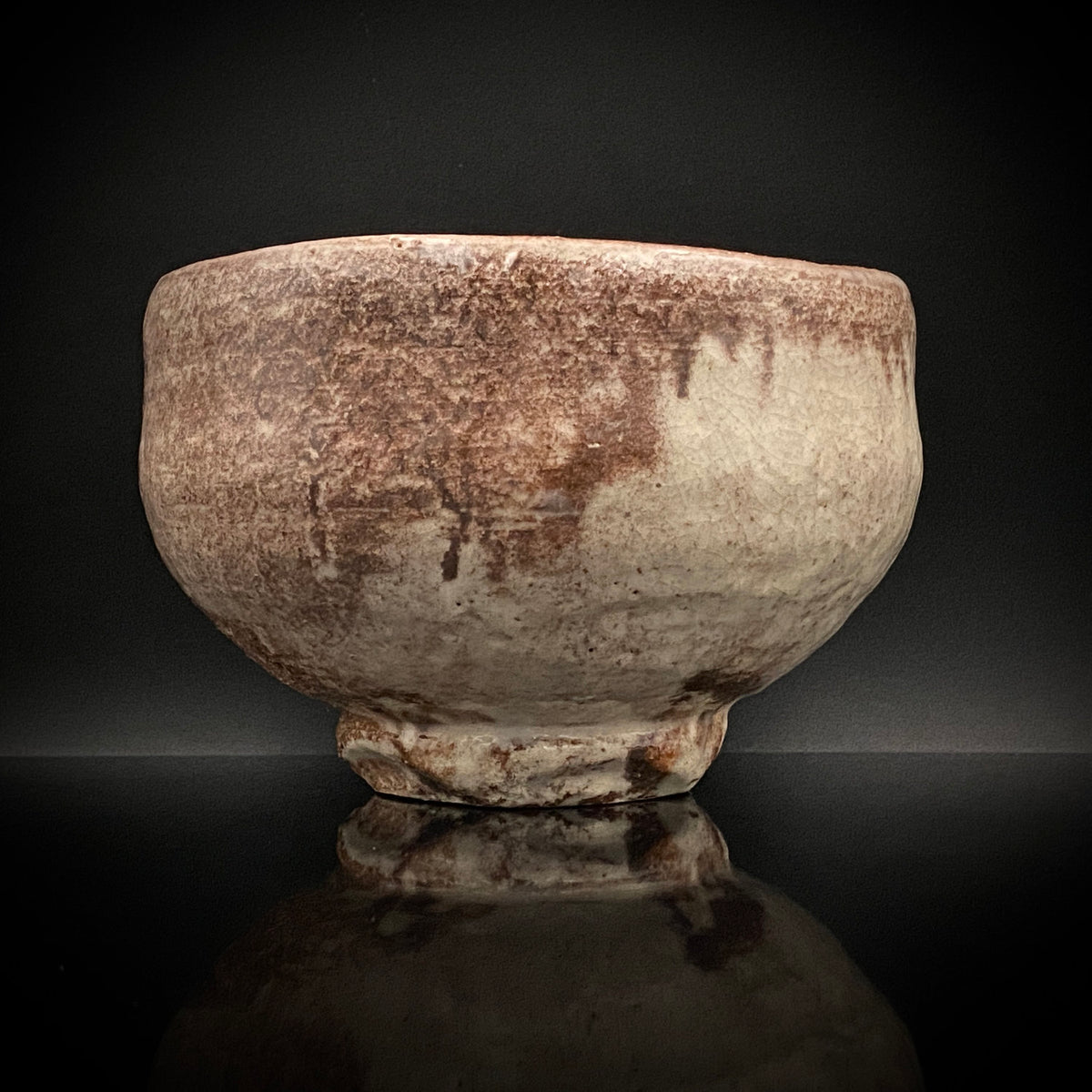
- For a 70th birthday: The Hagi-ware tea bowl with a split foot by Nagahisa Shosai, a certified traditional craftsman of Hagi ware, has "Shuku Koki Ga" (in celebration of a 70th birthday) written in gold inside its box lid: a tea bowl made to celebrate koki. It can be given just as it is to someone turning seventy.
- For a 60th birthday: Match a bottle and a vessel from the 1960s to the year of birth sixty years ago. A zodiac vessel becomes a gift that links two years, sixty years ago and this year.
- For a 20th birthday: Prepare the vessel of the person's birth sign early, and give it together with a bottle on their 20th birthday. Give alcohol only once the person has turned 20.
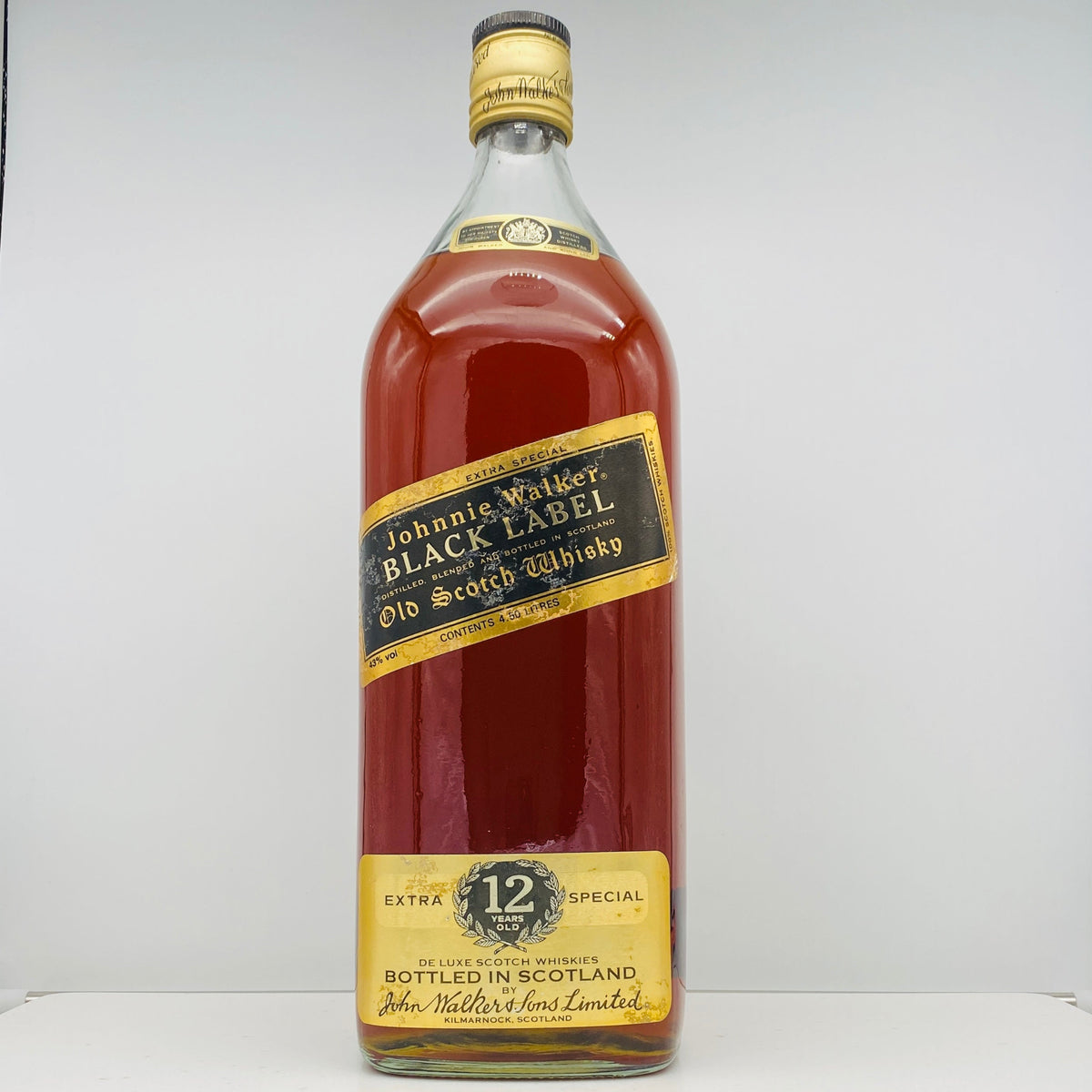
- For a large celebration: The 4.5-litre Johnnie Walker Black Label 12 Year Old gallon bottle (distributed in the early 1980s) is a bottle that brings splendour to a retirement party or a company anniversary.
Thoughtful touches when giving
The tomobako as the gift box. Many artist-made vessels come with a tomobako signed by the artist. The tomobako is an important accompaniment in its own right, conveying the history of the vessel, and it serves as a dignified gift box just as it is.
Add a "letter from the era". Write a short letter saying when the bottle was distributed and when the vessel was made, together with the evidence, such as the markings on the label or the date written on the box. A single sentence like "The box of this yunomi says July 24, Showa 52. That is the summer you were born" gives the gift an entirely different meaning.
Explain the nature of old bottles. Because so many years have passed since they were made, old bottles may, even unopened, have a slightly lower level or no longer keep their original quality in full. We check the condition of every bottle before selling it, but telling the recipient about this too will let them cut the seal with peace of mind.
About shipping and age. Alcohol can only be shipped within Japan, and we do not sell alcohol to anyone under 20. We also ship vessels overseas. If the recipient lives abroad, you can send only the vessel and deliver the bottle in person, or look for a bottle of the same era available in their country.
Summary
A bottle and a vessel from the same era are objects born in different places that breathed the air of the same time. The words "special grade" on a label, the volume markings, the shape of a closure, a date on a box, the career history in a shiori and the name of a zodiac sign: a set put together by reading these clues one by one becomes a gift that hands over "their era", beyond the objects themselves. You can also browse by era in our 1960s, 1970s, 1980s and 1990s collections.
Frequently asked questions
Q. Can I find a bottle from exactly the year of someone's birth?
As most old bottles do not state the year they were made, we estimate a span such as "the early 1970s" rather than a single year. With a bottle that states its year of distillation, or a vessel with a date on its box, you can match the year exactly.
Q. How do you estimate when a vessel was made?
We use clues such as a date written on the tomobako, the last year in the career history of a shiori, and the artist's career and changes of style. Where the date is an estimate, we give the evidence in the "Period of production" field of each product page.
Q. Can I send the vessel and the bottle to different addresses?
Each order has one delivery address, so please place separate orders to send items to different addresses. Alcohol can only be shipped within Japan. For details, please see our FAQ.
Related items in our shop
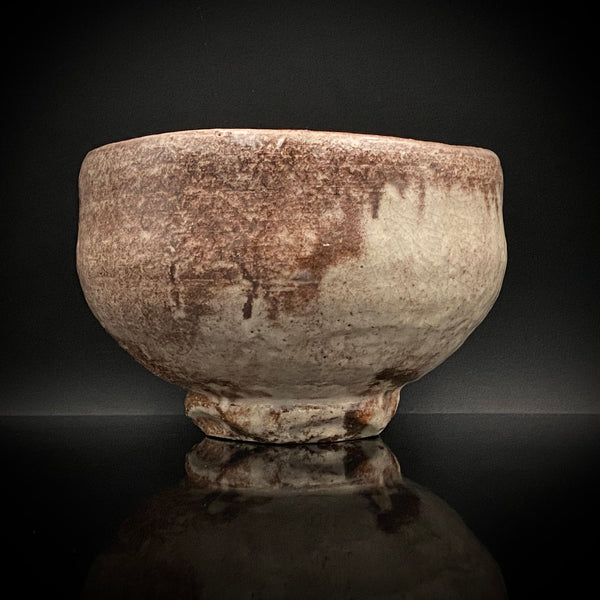
Pieces from our shop connected with this article. Click a photo to open its product page.
You can browse more in Pieces from the 1960s, Pieces from the 1970s, Pieces from the 1980s, Old-Bottle Whisky.